
浅野 弥衛/Asano Yae
浅野弥衛(1914~1996)は「日本の抽象画」を目指し、三重県で活動を展開した画家です。
三重県鈴鹿市の旧家の長男として生まれた浅野が、画家として出発したのは25歳でした。決して遅くはないスタートであり、浅野自身も絵画の世界に魅力を感じていたものの、中学卒業とともに従軍し、また復員後は鈴鹿信用金庫の代表理事を務めたこともあって、画業に専念するようになったのは1959年、浅野が45歳になってのことでした。浅野に画家を志すきっかけを与えたのは、絵心のあった母の弟と、詩人で美術評論家の野田理一(1907~1987)です。野田の所有していたヨーロッパの画集や雑誌で最先端の美術に触れた浅野ですが、重要なのは、彼の目にはそれらが決して未知の表現ではなく、日本の生活空間に存在するものとの共通性が見出されていた点です。ここに、自分なりの解釈で抽象を捉え、これまでにない手法を模索できる感性の萌芽を垣間見ることができます。
1939年に美術創作家協会に初出品し、戦後の1950年代は、銀行に勤務するかたわら、夜に創作活動をする二足の草鞋がしばらく続きました。1959年の伊勢湾台風で自宅とアトリエが被害を受け、それまでの作品の多くは失われてしまっていますが、初期の作品として残っているものの一つに、【彫刻のある室内】(1955年)があります。直線と色の面によって遠近法の解体が試みられた本作は、筆跡やひっかき傷、部分的な塗り残しなど、自らをアルチザン的であるとした浅野らしいこだわりが窺える貴重な一作です。
この平面的な色彩の構成や形に対する意識は、1957年以降、浅野の代名詞である「引っかき」に取って代わられます。この独自の技法では、まず、白い絵の具をローラーやペインティングナイフでキャンバスにならし、その下地がまだ軟らかいうちに、線が均一になるよう鉄筆などで一気に傷をつけます。そして、画面が乾いたところで黒い絵の具を全面に塗りこみ、ふき取ると、引っかいてへこんでいる部分に絵の具が残り、無駄のないシャープな線が浮かびあがるという仕組みです。無駄のない線が織りなすモノクロームの画面は冷徹なようでいて、画家自身の痕跡を詩情豊かに映しだしており、内には有機的なエネルギーが静かに満ち満ちています。
1960年以降は、それまでとはちがった味わいのある絵を制作しています。たとえば【作品<丸>】(1963年)のように、水面のあぶくを思わせる小さな無数の円を集積した作品や、卵のモチーフと繊細な線を組み合わせた【作品】(1973年)、「ブルーチェス」と呼ばれる鮮やかな青色が目を引く絵画など、引き出しの多さを感じさせる一方、余計なものを一切そぎ落とした繊細な作風は一貫しています。1979年に鈴鹿市を訪れたアメリカの劇作家、エドワード・オールビー(1928~2016)は、浅野の作品を見た際、「絶対に妥協することを知らない、流行やファッションといったものには関心のない、非常にユニークなもの」と絶賛したそうです。生涯を故郷の三重で過ごし、時代に迎合せず、職人のような資質をもって独自の道を貫いた浅野を、端的に表した言葉だといえます。
Asano Yaei was a painter who dedicated his life to the pursuit of ‘Japanese abstract painting’, primarily working from his base in Mie Prefecture.
Born the eldest son of an established family in Suzuka City, Asano’s artistic journey began in earnest at the age of 25. Although he had felt a natural pull towards the arts since graduating from middle school, his path was deferred by military service. Following his demobilisation, he served as the representative director of the Suzuka Shinkin Bank; consequently, it was not until 1959, at the age of 45, that he could fully commit himself to his craft. Asano’s aspiration was ignited by his maternal uncle’s artistic talent and the influence of poet and art critic Noda Riichi (1907–1987). Through Noda’s collection of European art journals, Asano encountered the avant-garde. Crucially, however, these Western forms never felt alien to him; he perceived a fundamental commonality between modern abstraction and the aesthetic elements of traditional Japanese living spaces. This early insight allowed him to reinterpret abstraction through a distinctly Japanese lens, leading to his exploration of unprecedented techniques.
Asano made his debut with the Art Creators Association in 1939. During the post-war 1950s, he maintained a dual existence, balancing his duties at the bank by day with his creative pursuits by night. Disaster struck in 1959 when the Ise Bay Typhoon damaged his home and studio, destroying much of his early output. One significant survivor is Interior with Sculpture (1955). This work, which deconstructs perspective through linear forms and flat planes of colour, reveals Asano’s characteristic obsession with the physical process—visible in the brushstrokes, scratches, and deliberate voids—marking his self-identification as a true artisan.
By 1957, his focus on flat composition evolved into the “scratch” technique that would become his signature. This meticulous process involved smoothing white paint onto the canvas with a roller or palette knife. While the surface remained tacky, he would scratch uniform lines into the base using an iron stylus in single, fluid motions. Once dry, black paint was applied across the entire surface and then wiped away, leaving pigment only within the recessed scratches to reveal sharp, precise lines. These monochrome surfaces appear coolly detached, yet they vibrate with a quiet, organic energy, poetically capturing the artist’s physical presence.
From 1960 onwards, Asano’s repertoire expanded. Works such as Work (Circle) (1963), with its bubble-like clusters, and the delicate motifs of Work (1973), alongside the vivid hues of Blue Chess, showcase his versatility. Throughout, his style remained refined and stripped of all superfluity. When American playwright Edward Albee visited Suzuka in 1979, he famously praised Asano’s work as ‘utterly unique, utterly uncompromising, utterly indifferent to trends or fashion.’ This perfectly encapsulates Asano—a man who remained in his native Mie, steadfastly following his own path with the unwavering dedication of an artisan.
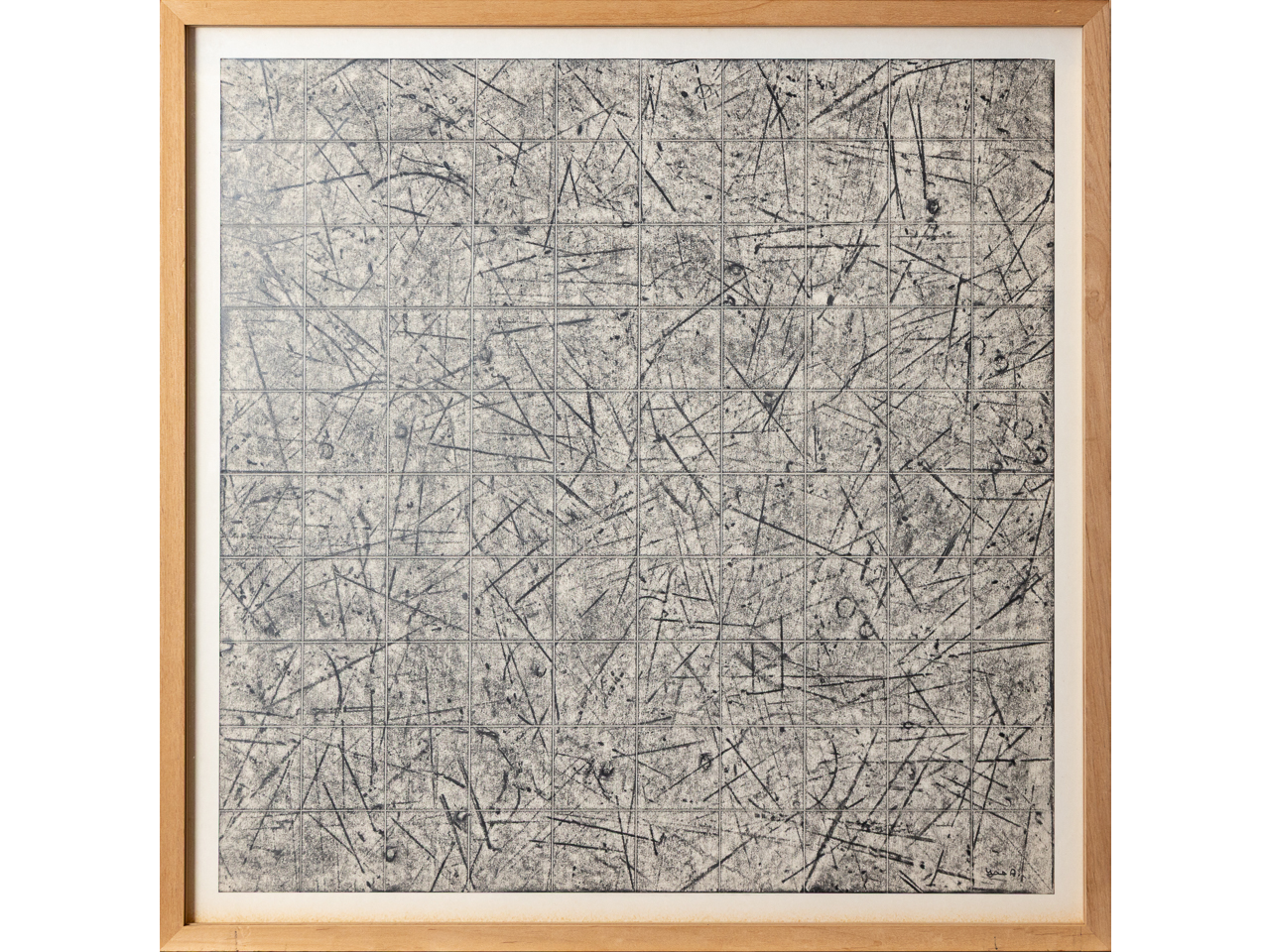
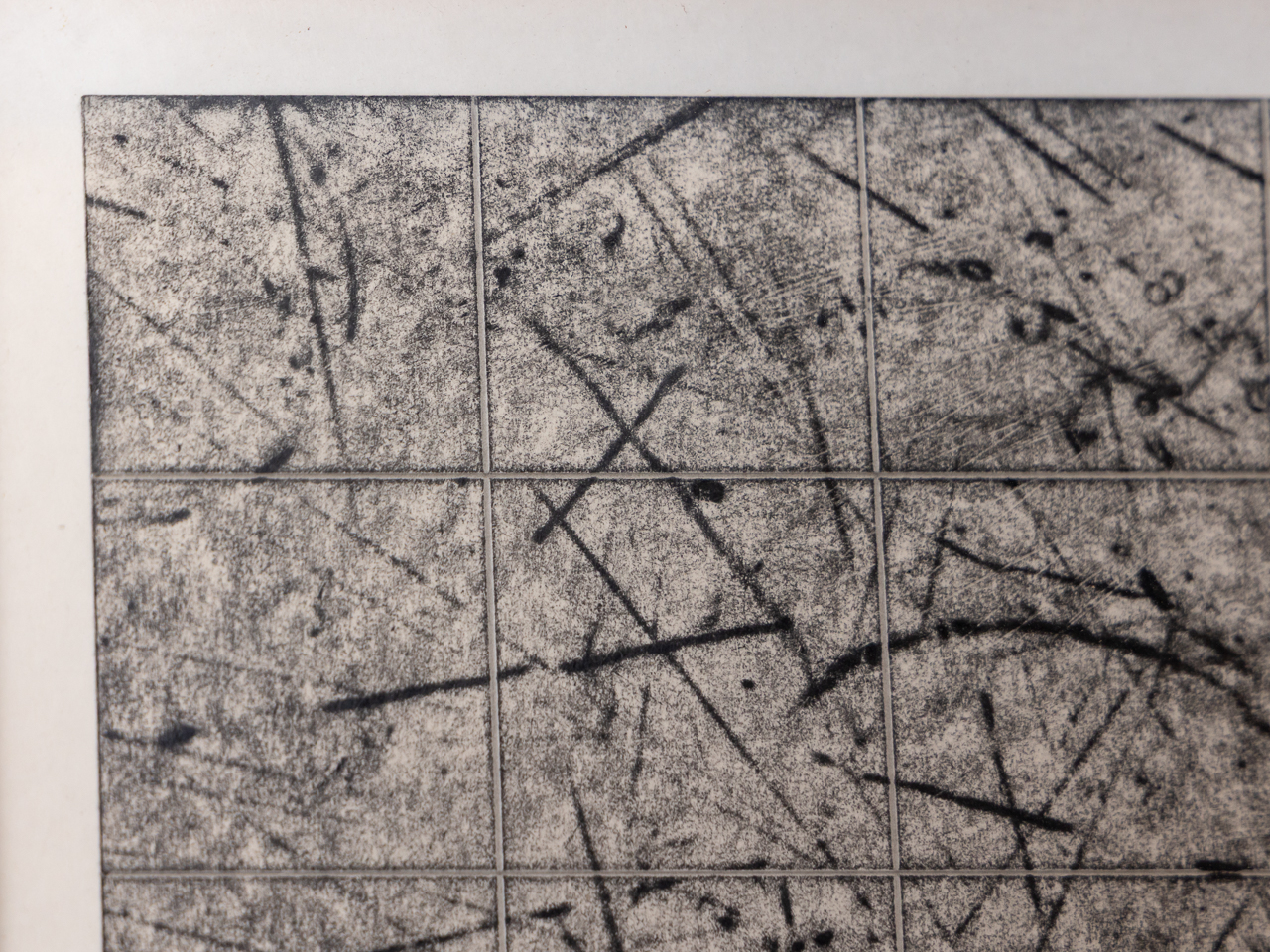
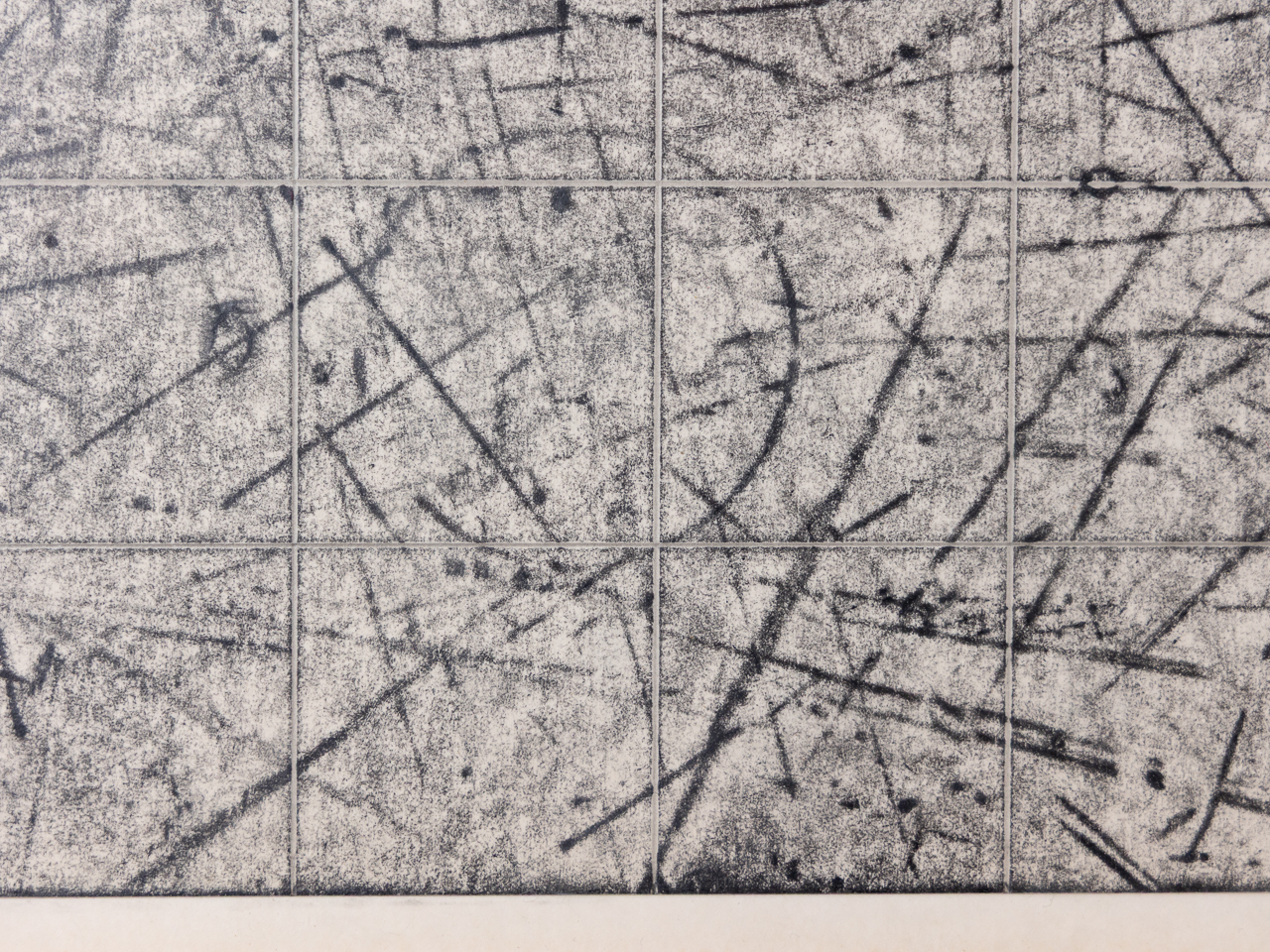
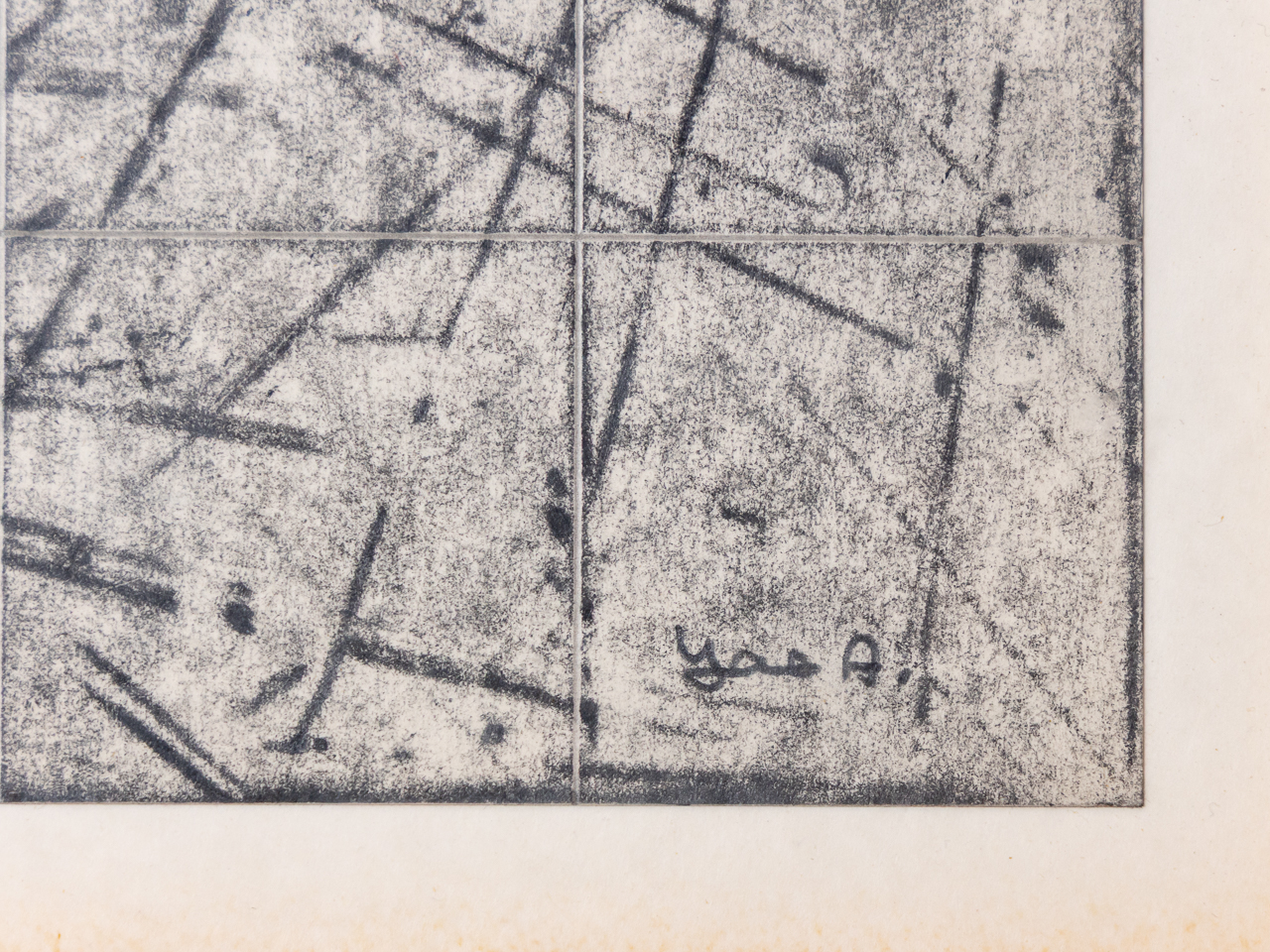
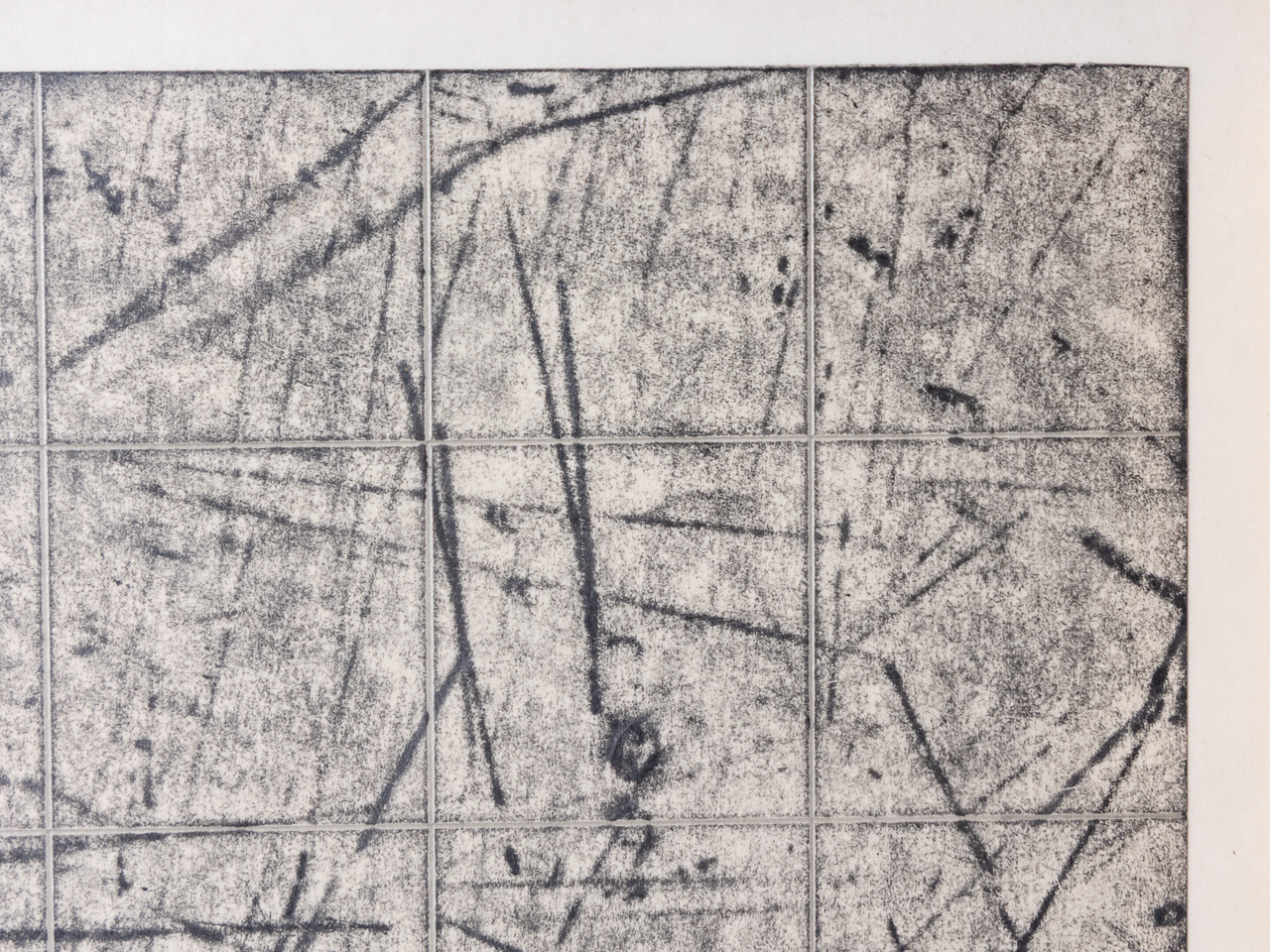
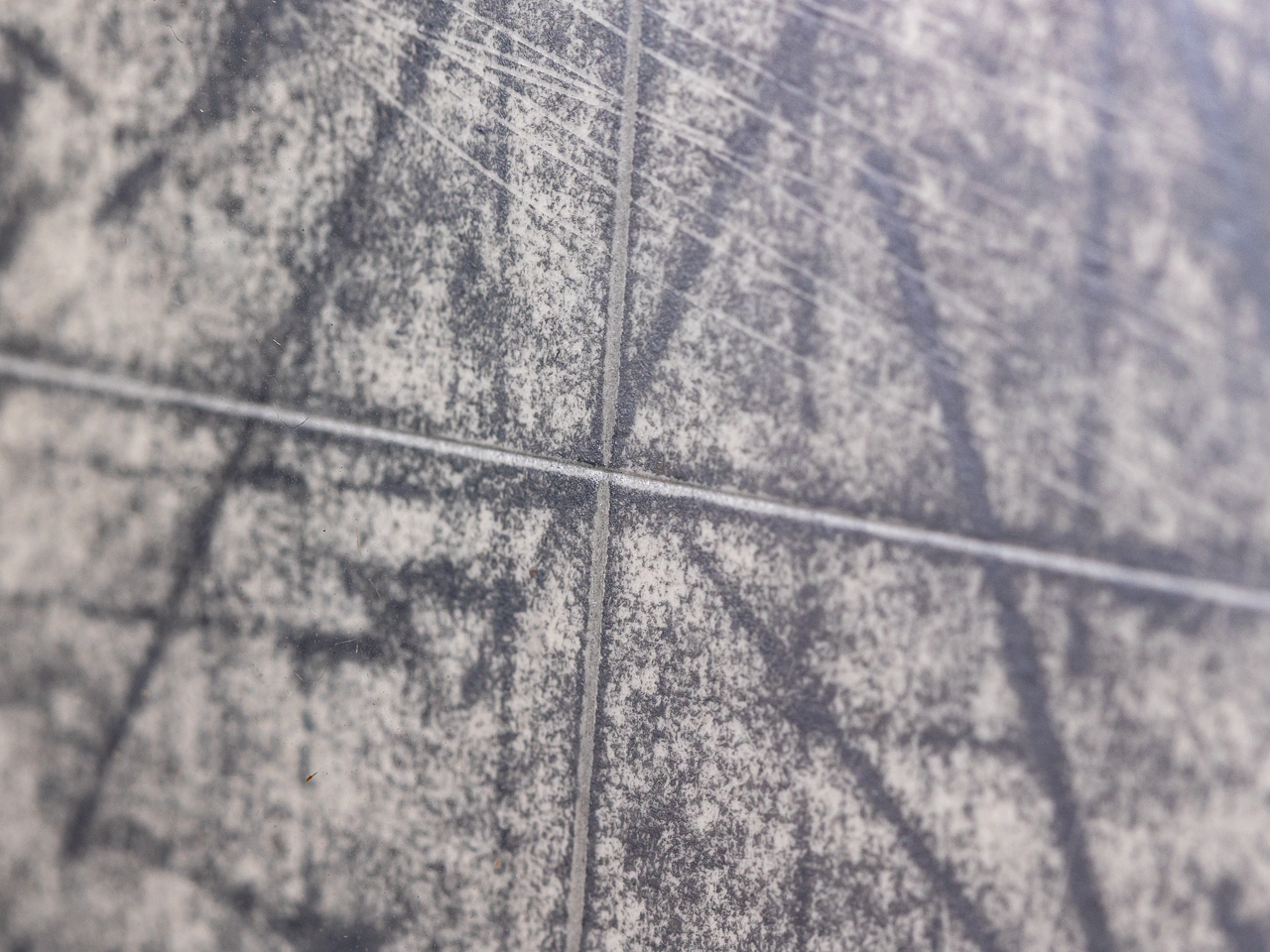
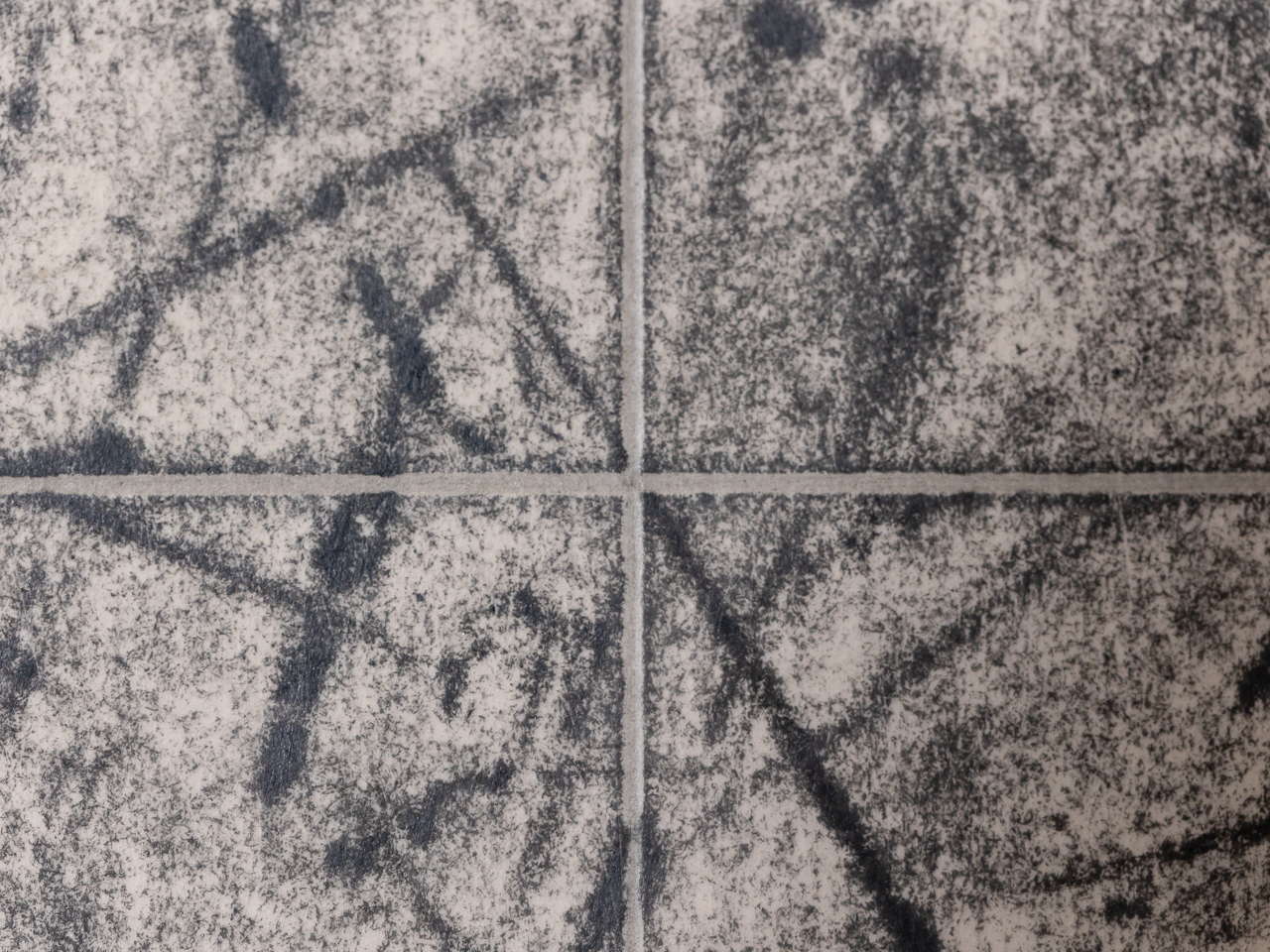
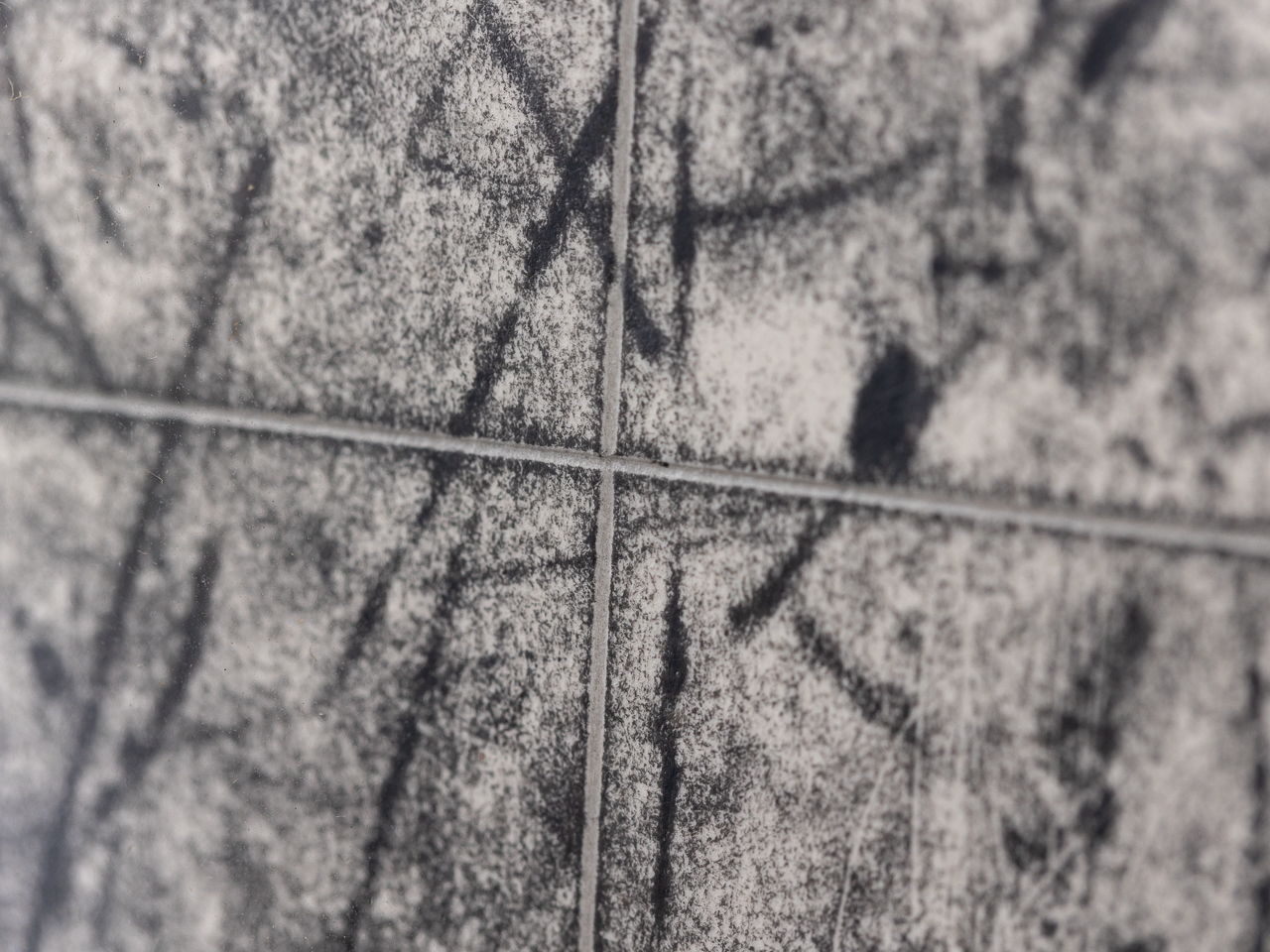
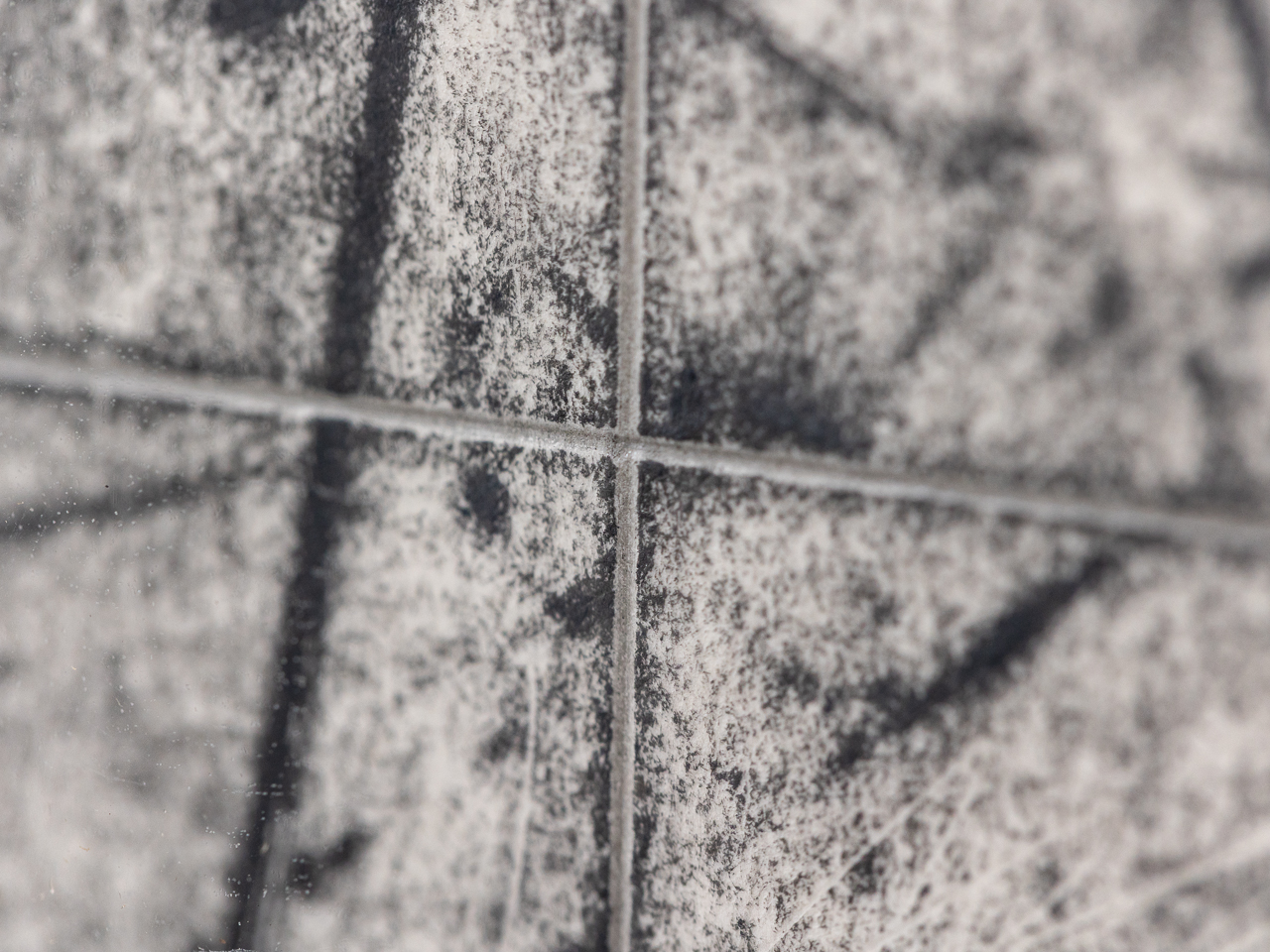
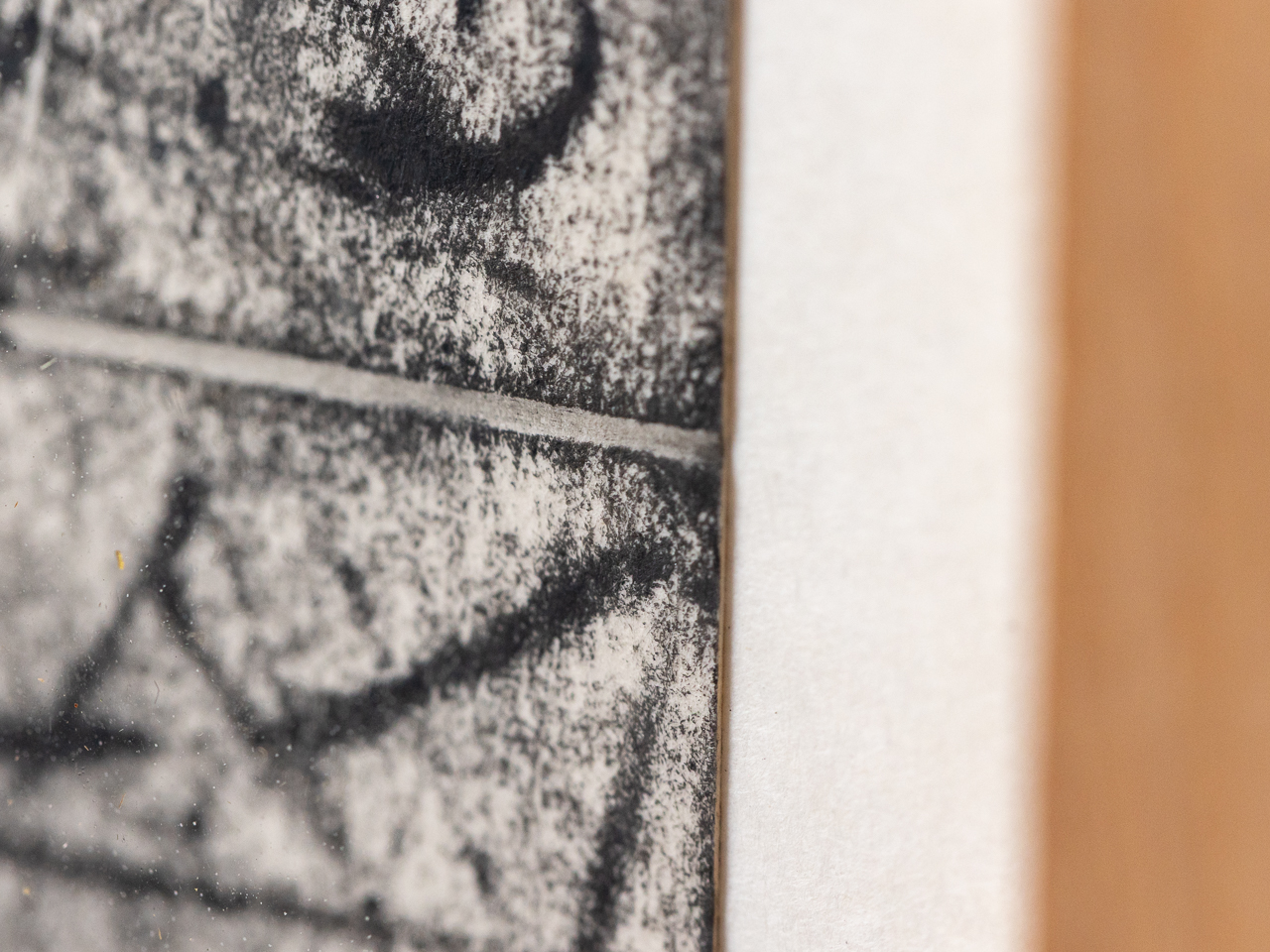
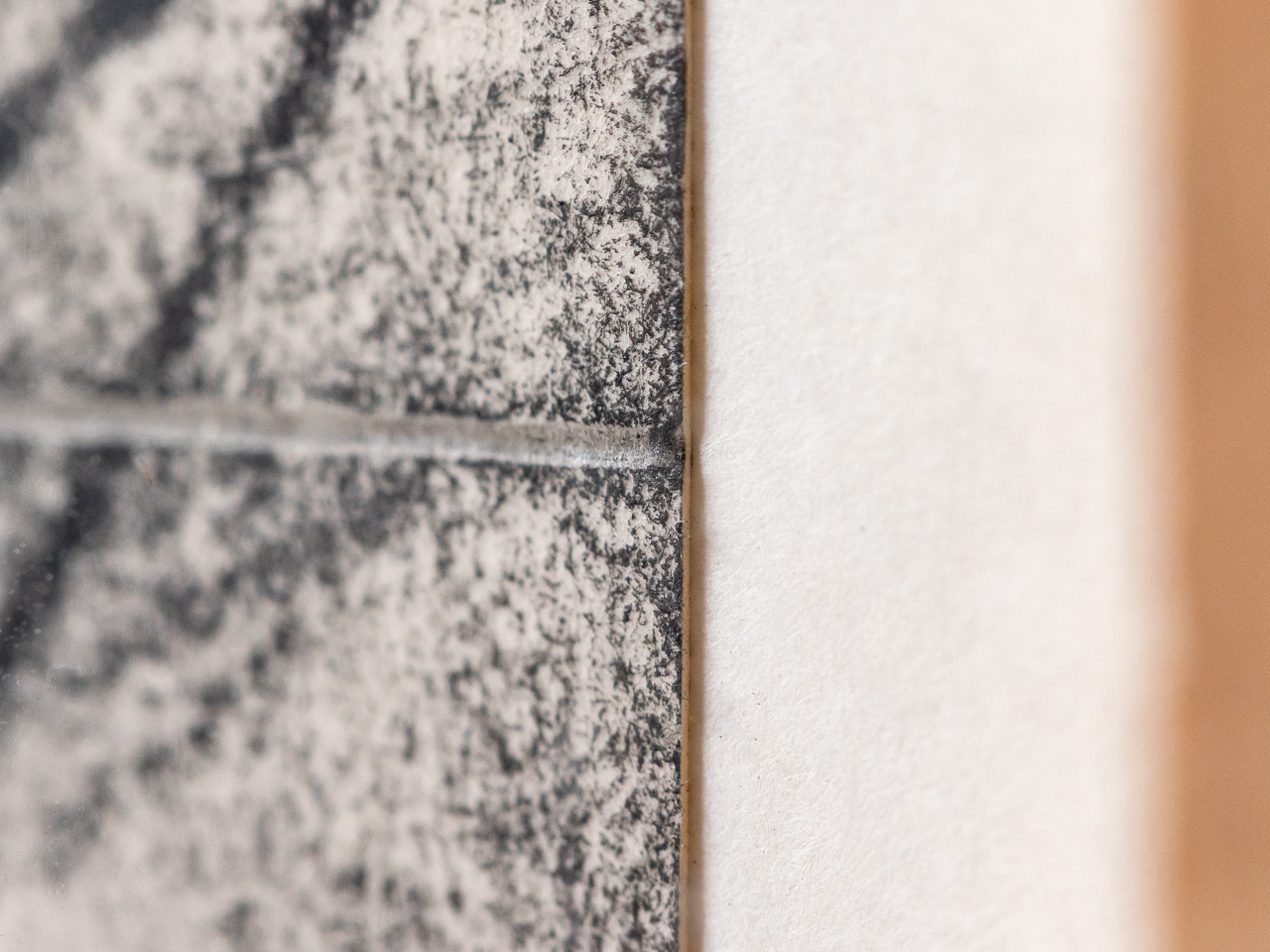
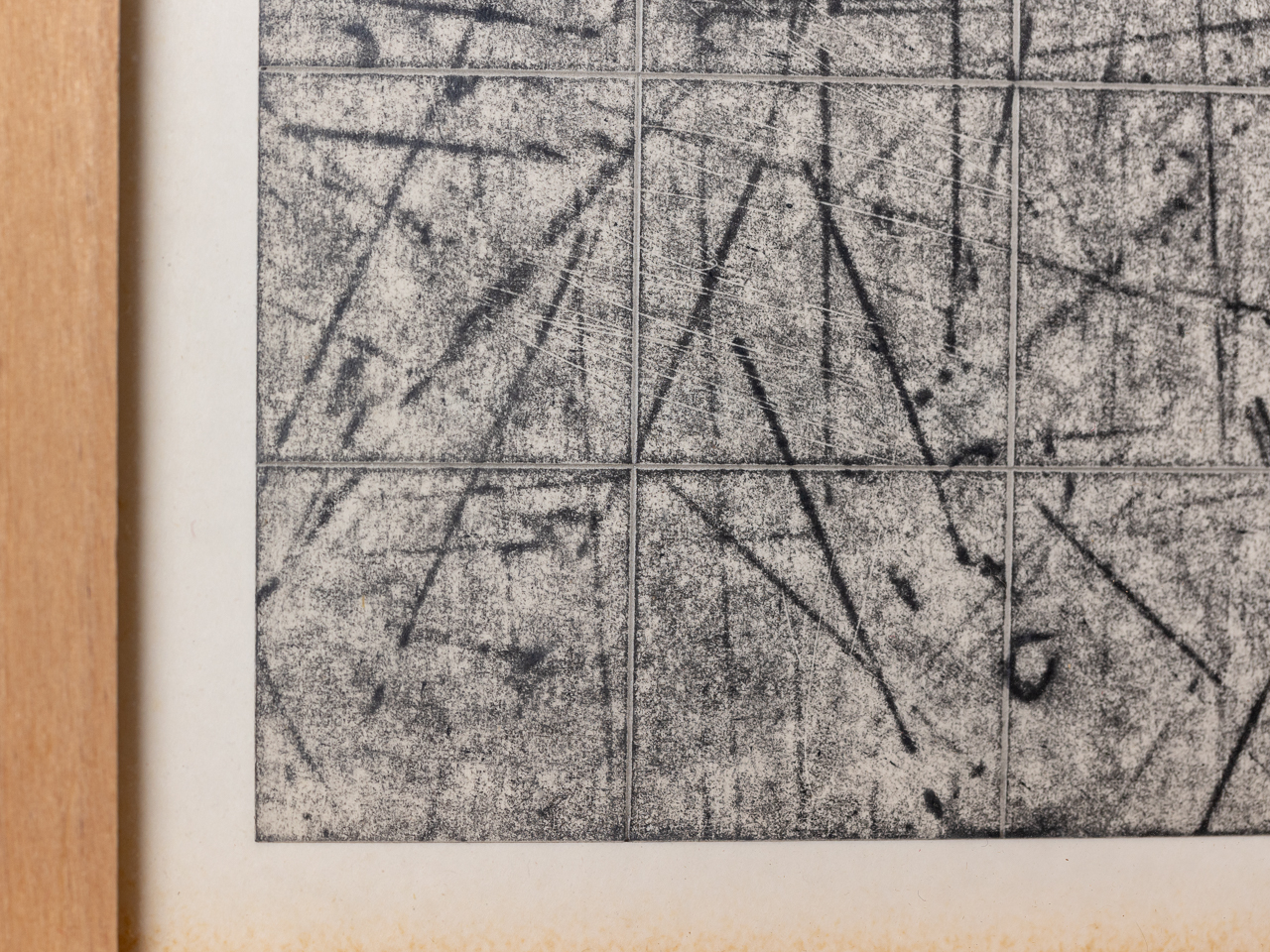
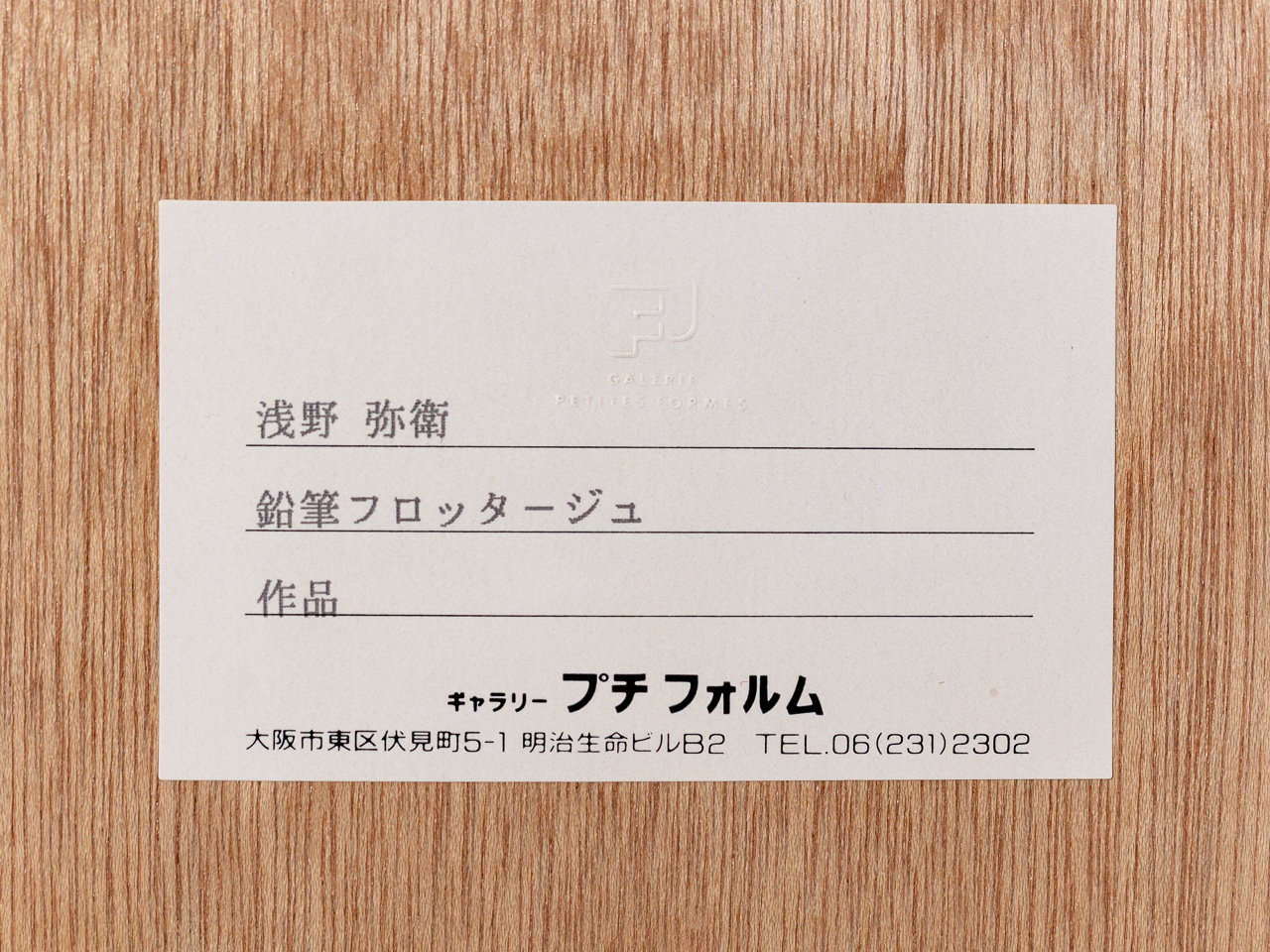
作品名:作品
サイズ:43×43cm (鉛筆 フロッタージュ)
価格:800,000円
価格は税抜き表示です